Day 3 - The Alhambra
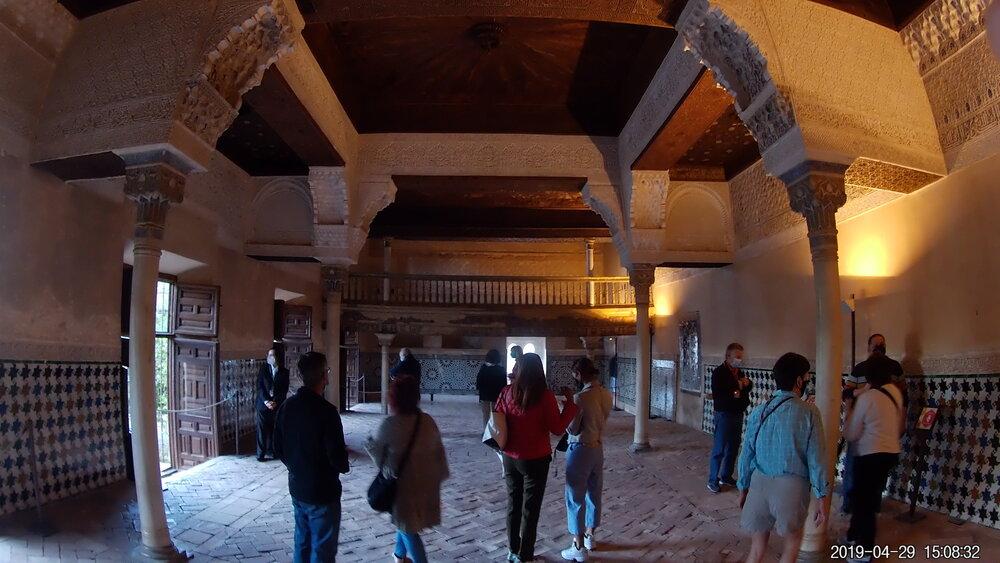
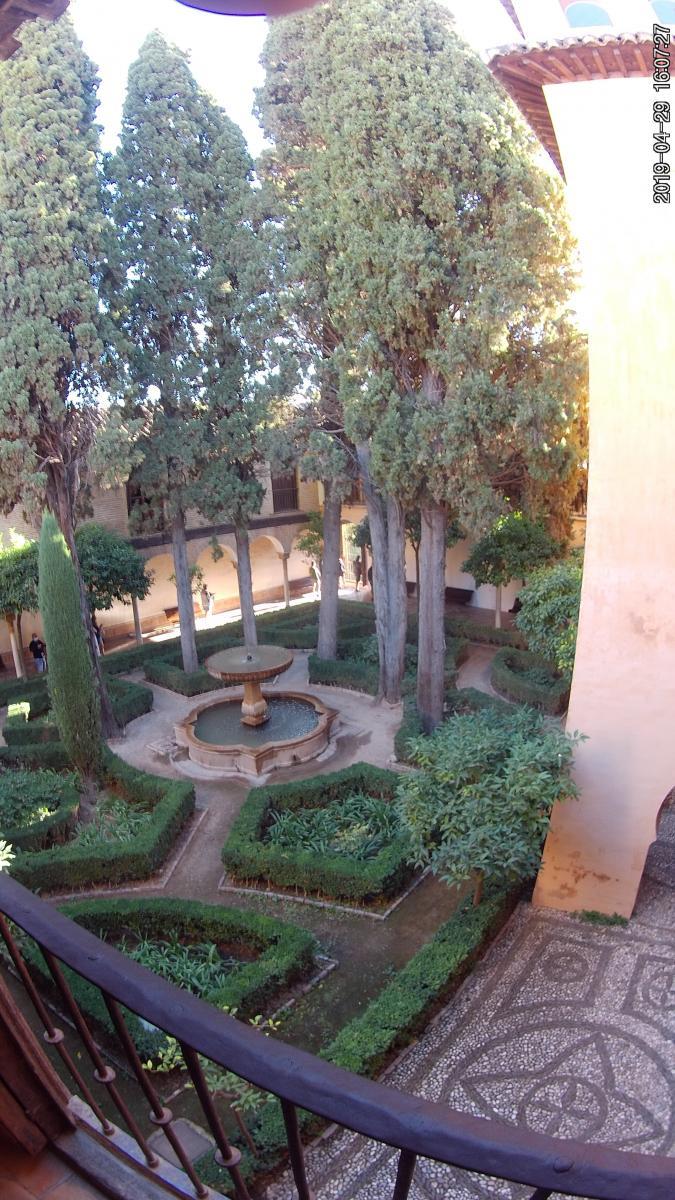
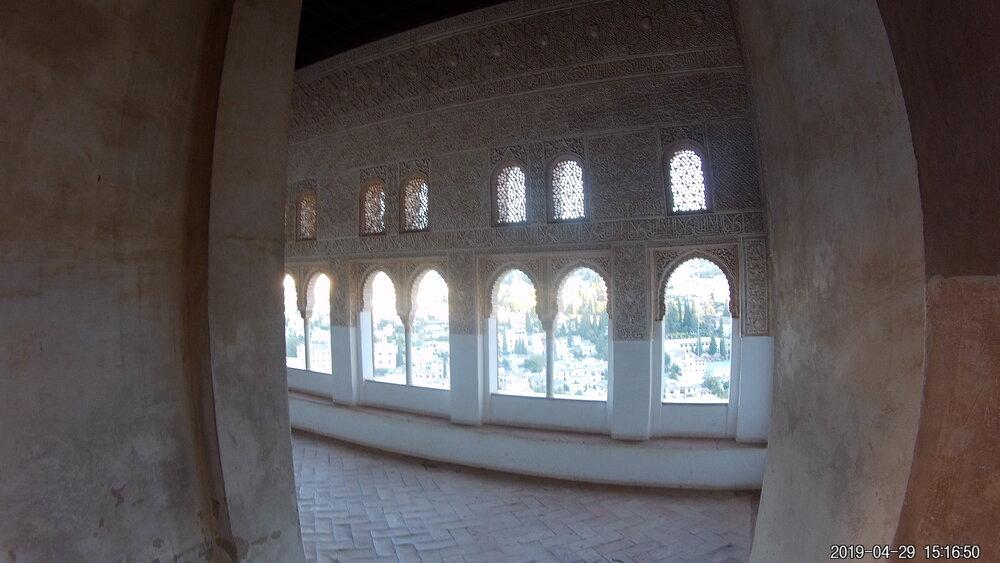
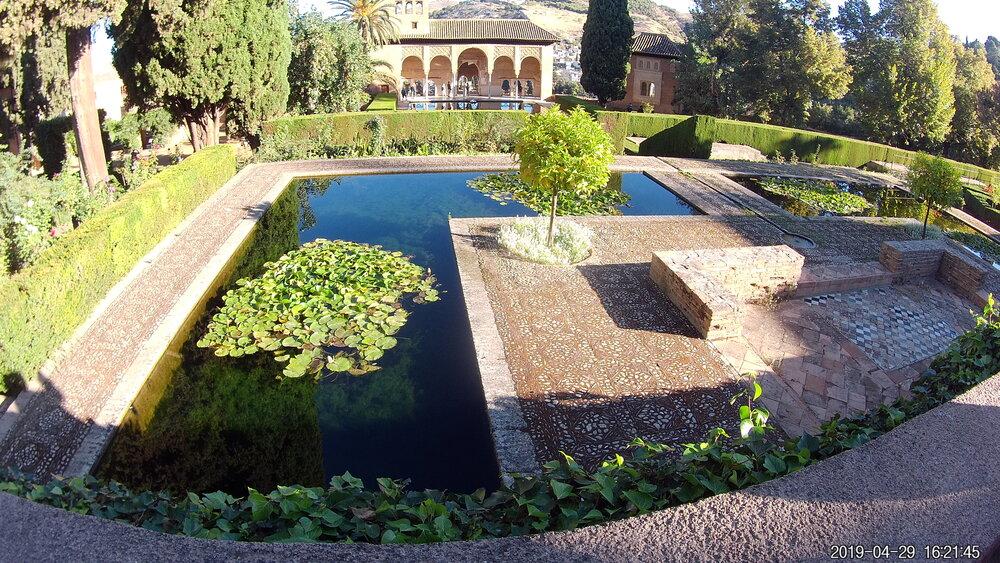
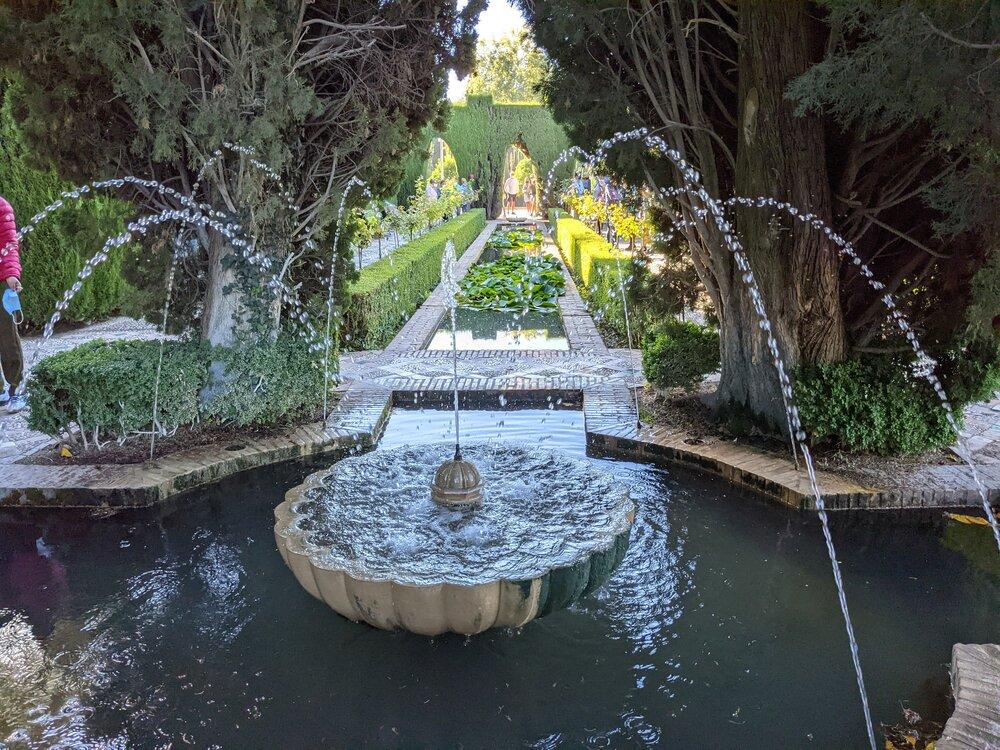
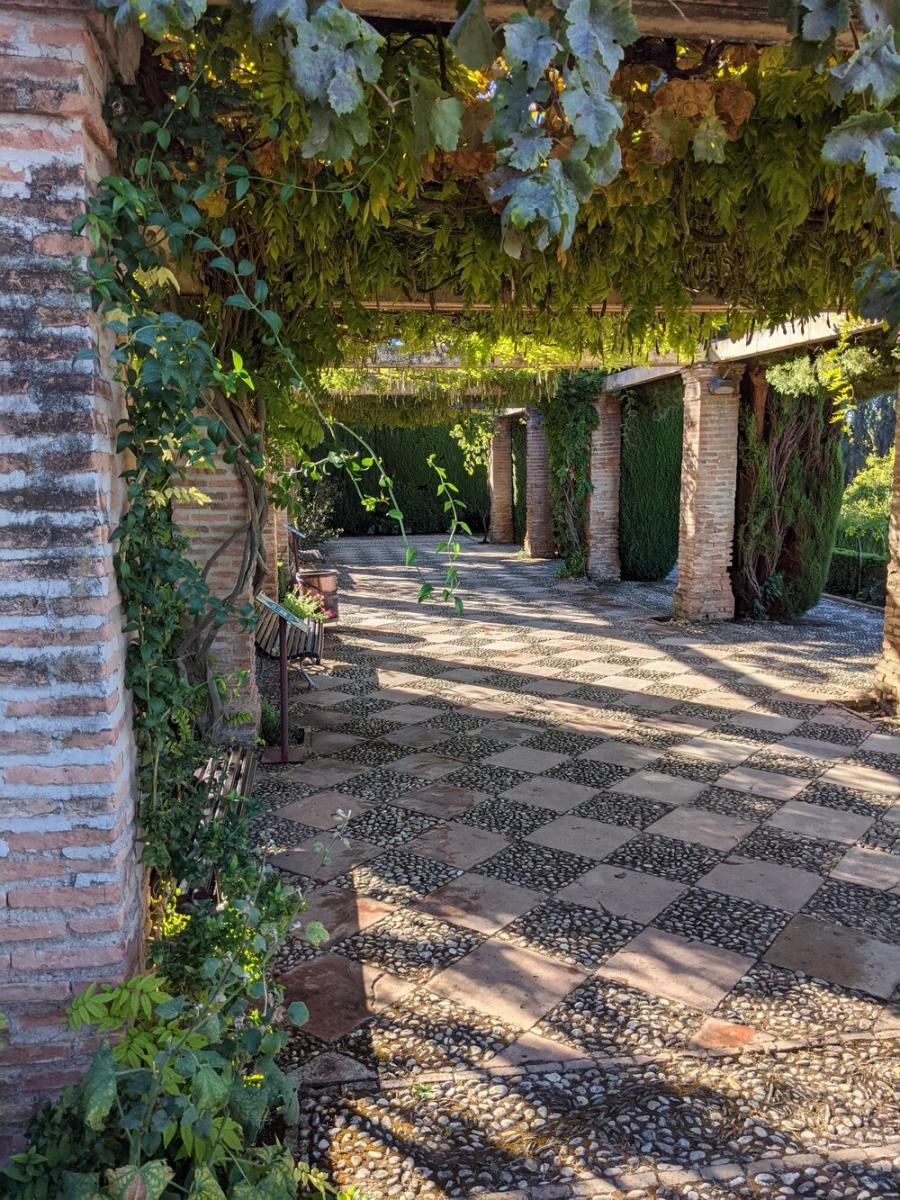
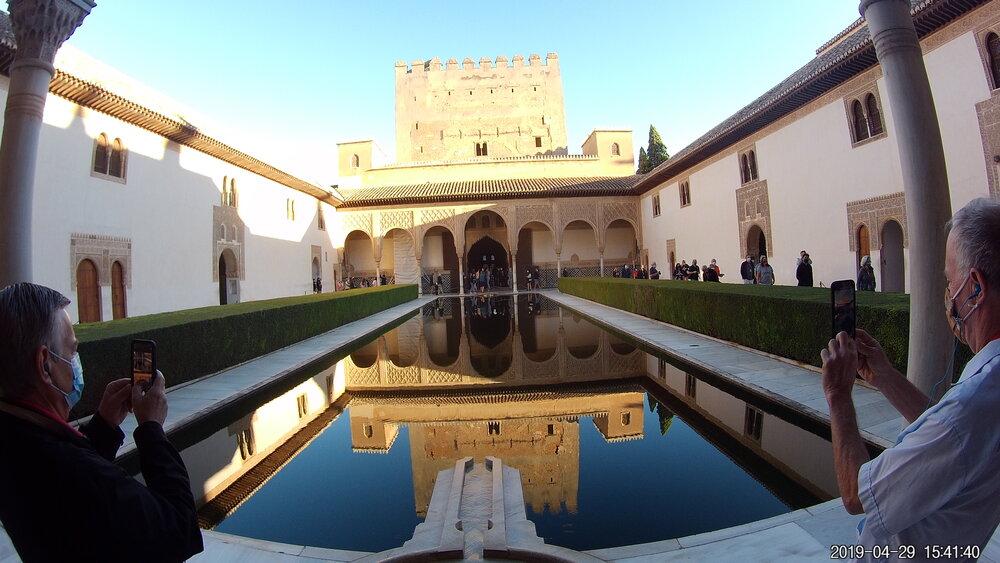
Wednesday morning started with a tour highlight, a guided walk through the Alhambra. Our guide, also named Paco, was a second generation in his family to provide tours of this World Heritage site. He was knowledgeable, articulate and very funny. He kept promising he would stop with his beat-box vocals, but I think he is still doing them. The Alhambra is a special place where so much happened in the numerous palaces, building and gardens. While many wars were fought here, even between Islamic factions, so were there hundreds years of peace where Islamic, Christian and Jewish people lived and prospered together.
There is no reference to the Alhambra as a residence of kings until the 13th century, although fortification has existed since the 9th century. The first kings of Granada, the Zirtians, had their castles and palaces in the hills of Albaicin, and nothing remains of them. The monarchs Ziries were in all probability the emirs who built the Alhambra, beginning in 1238.
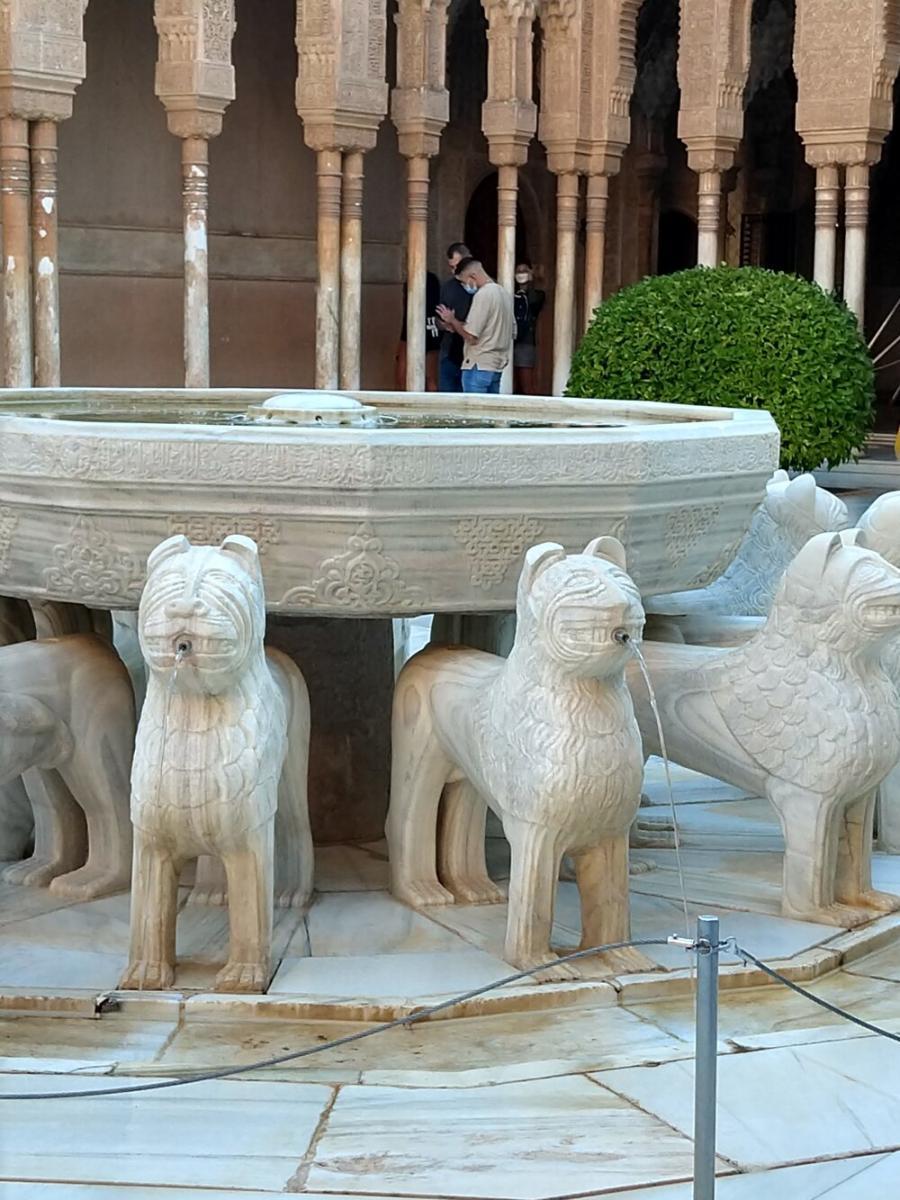
The founder of the dynasty, Muhammed Al-Ahmar, began with the restoration of the old fort. His work was completed by his son Muhammed II, whose immediate successors continued the repairs. The construction of the palaces (called Casa Real Vieja) dates back to the 14th century and is the work of two great kings: Yusuf I and Muhammed V. The first is awarded, among others, the Fourth Comares, the Door of Justice , The Baths and some towers. His son, Muhammed V, completed the beautification of the palaces with the Hall of Lions, in addition to other rooms and fortifications.
The Alhambra became a Christian court in 1492 when the Catholic Monarchs conquered Granada. Later, several structures were built to house prominent citizens, military barracks, a Church and a Franciscan Monastery.